Salone Selection


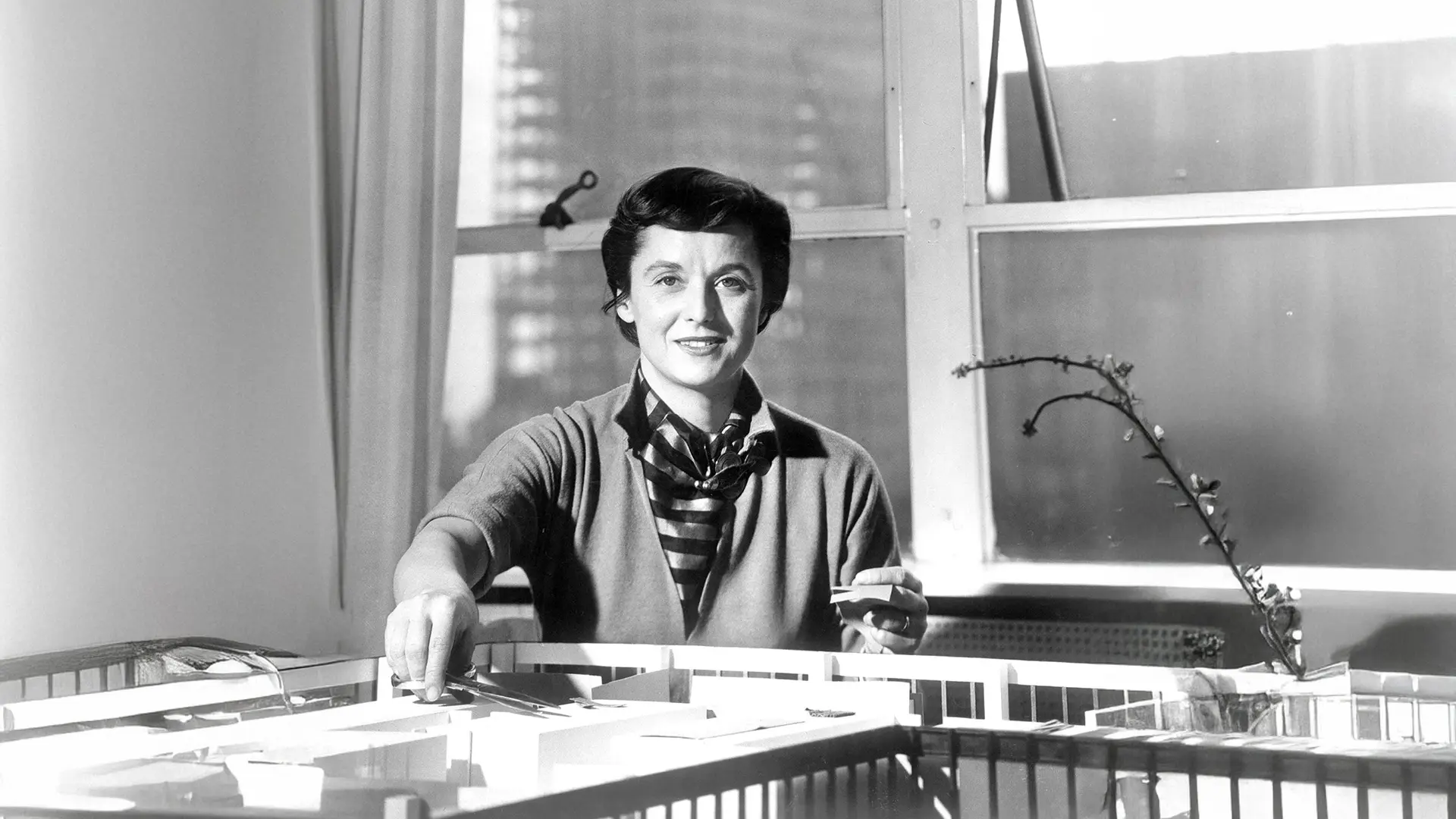
The Planning Unit, the collective catalogue of Mies, Saarinen and Bertoia and “meat and potatoes” furniture: how Florence Knoll invented the modern office whilst opting to stay out of the limelight.
Shanghai World Financial Center, Oriental Pearl Tower and the city’s other iconic buildings
Text by
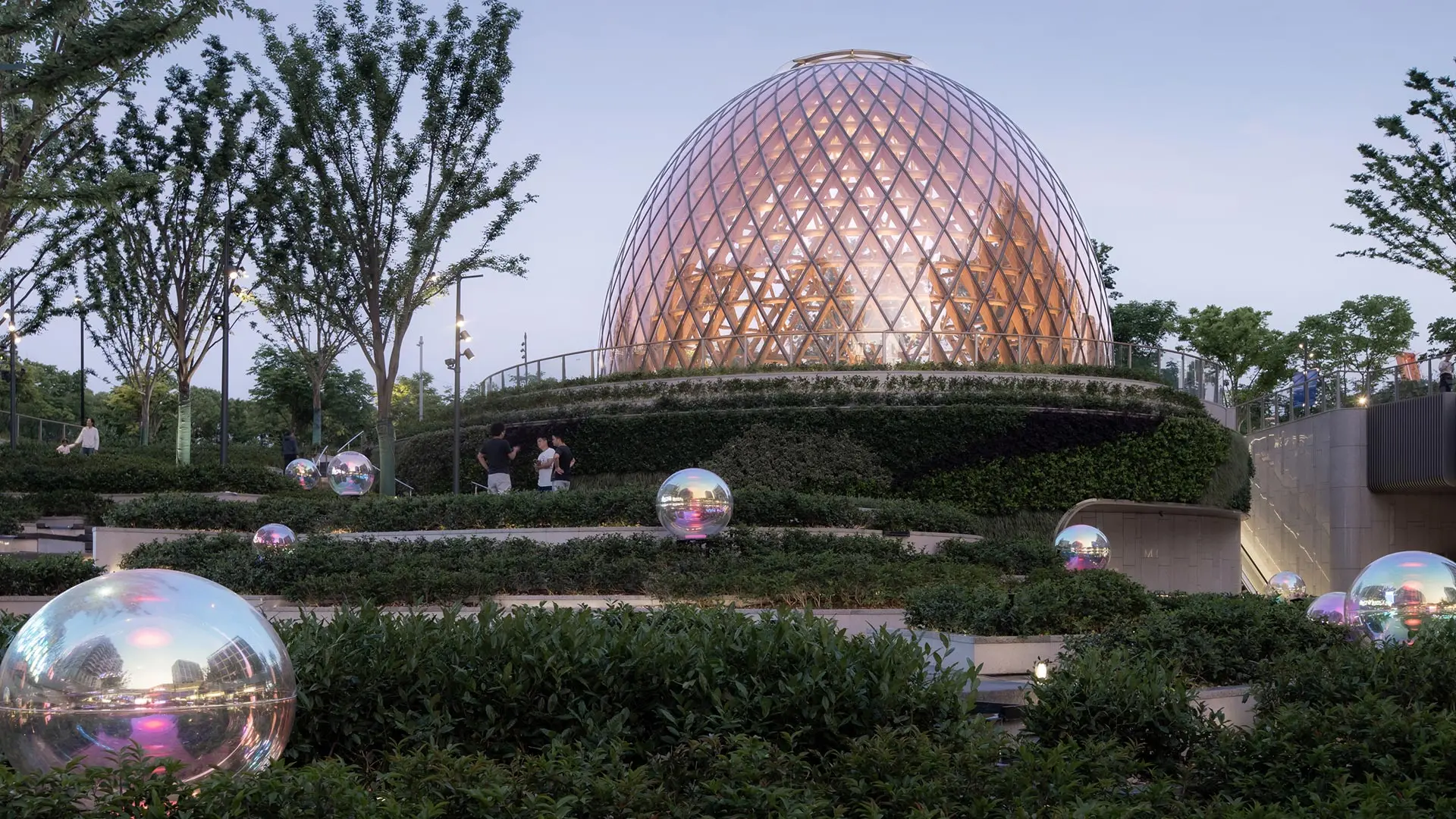
Seed Pavilion (West Bund), Shanghai
From Pudong's iconic skyscrapers and the Oriental Pearl Tower to first edition of the Salone Contract Tour, stop and the latest architectural landmarks along the Huangpu River: a journey into contemporary Shanghai
Taking a photo of the Huangpu River with the Oriental Pearl Tower and the other skyscrapers of Shanghai as a backdrop is an almost unmissable experience for the millions of tourists who visit the Chinese metropolis each year. A symbol of the city’s outstanding architectural metamorphosis, the Pudong area contrasts its soaring buildings with the Bund district – an eclectic reminder of Shanghai's commercial and financial past – while also exerting a strong appeal on the local community.
Shanghai, the iconic skyscrapers beyond the Bund
It was 1995 when the Oriental Pearl Tower in Shanghai was inaugurated. Soaring to 468 meters, it would hold the record for the tallest building in China until 2008: that year, it was toppled from the podium by the Shanghai World Financial Center, 492 meters high, in turn surpassed in 2015 by the Shanghai Tower, whose antenna rises to 632 meters. Despite the growing numbers of skyscrapers in the Shanghai skyline – an unmissable feature is the Jin Mao Tower (completed in 2007), which is close to 421 meters – the Oriental Pearl Tower continues to be a symbol of the Pudong district. This is not only down to its status as a forerunner: the spheres that rhythmically mark its ascent into the sky and its distinctive vertical structure make it unmistakable. An enduring and undisputed emblem of the city.
Like pearls in the sky: the history of the Oriental Pearl Tower
Designed as a radio and television tower by Shanghai Modern Architectural Design Co. Ltd., the Oriental Pearl Tower derives its conceptual origin from a poem dating from the Tang dynasty, which describes pearls falling onto a jade plate. Translating this literary image into the architectural scale shaped its eleven pearl-spheres: the largest of these feature pink glazing and offer spaces accessible to visitors. An example? The rotating restaurant located 267 meters above ground level. A three-dimensional embodiment of the bold spirit of contemporary China, the Oriental Pearl Tower in Shanghai is also a guardian of the local past. Proof of this is the installation on the ground floor of the Shanghai History Museum which from the present traces the timeline all the way back to 6000 years ago, when a village stood here in the place of the current megalopolis.
A city within a city: inside the Shanghai World Financial Center
Scrolling through the list of awards presented to the Shanghai World Financial Center enables us to retrace the history of a daring construction company. The complex was commissioned by the Mori Building Company from the award-winning practice Kohn Pedersen Fox Associates (KPF). The U.S. office, which has solid experience on a global scale in the construction segment of skyscrapers, dubbed the “supertalls”. On this occasion it collaborated with the structural engineering firm Leslie E. Robertson Associates. From the outset, this mixed-use center was imagined to stand out in the (not only) local skyline. Its form derives from the intersection between a square-based prism – a symbol that in ancient China represented the earth – and two arches, in turn an emblem of Heaven. The skyscraper, in other words, connects two opposing elements and, at its apex, it houses a “celestial portal” (which over time has prompted comparison with a bottle opener). Guiding the compositional process was the stated intention of making it the world’s tallest building. Though that record is now held elsewhere, thanks to its distinctive silhouette, the Shanghai World Financial Center is a landmark for the Lujiazui quadrant in Pudong. A center dedicated to information and financial services, it also accommodates a plurality of functions on its 101 floors. It includes a luxury hotel (between the 79th and 93rd floors) and the Sky Arena (between the 94th and 100th), from which to observe the incessant flow of life in Shanghai even after sunset.
The tallest skyscraper in China? It is an icon of Shanghai
In the last decade, the Shanghai Tower has been added to these symbolic buildings in the city of Shanghai. Rising to 632 meters, it is now the tallest skyscraper in China and occupies third place in the global ranking of supertalls. “This tower is the symbol of a nation whose future is rich in boundless opportunities,” said Qingwei Kong, president of Shanghai Tower Construction & Development Co., Ltd. (the contractor responsible for its construction) at the ceremonial laying of the foundation stone in 2008. Completed just 7 years later, it was designed by the famous Gensler studio, with the involvement of various engineering companies and the Architectural Design and Research Institute of Tongji University. Also erected in the financial and commercial area of Lujiazui, it completes a “trio” of skyscrapers together with the nearby Jin Mao Tower and Shanghai World Financial Center. If you look closely, you can identify nine overlapping cylindrical buildings and a “double transparent skin” in the facades. In fact, there is both an internal layer, which defines the nine volumes mentioned above, and an external triangular layer which, proceeding in height, undergoes a slight but perceptible rotation. This composition can be admired by both day and night thanks to the combination of lighting and chromatic effects.
Public space in Shanghai: the urban and green living room of the new The Seed
The architectural ferment that has been recorded in Shanghai in recent decades is also reflected in public space, i.e. at much lower altitudes than those reached by skyscrapers. Even in this specific design segment, the drive to introduce projects into the urban fabric that can become case studies or reference models remains the same as that embodied in the supertalls. Initially judged unfeasible due to its structural complexity, The Seed - The Shanghai Riverside Seed Pavilion from May 2026 now brings an added value to the Xuhui West Bund Cultural Corridor. The work of Challenge Design and REAL Architects and set within an urban park facing the Huangpu River, it is inspired by the vitality of the seed (a concept significantly evoked in its name) and its evolutionary phases, endowing the city with a versatile architectural and ecological landmark. It is in fact the first building worldwide to be equipped with a laminated wood dome with double curvature and torsion. For the roof of this multifunctional pavilion (16 meters in diameter and 12 meters high), a renewable material with a low environmental impact was used with alternative construction methods to the traditional ones.
The Salone del Mobile.Milano has chosen The Seed for the launch of the first edition of the Salone Contract Tour, an international stakeholder engagement initiative that will accompany the debut of Salone Contract 2027. For the Shanghai panel, with participation of President Maria Porro, Salone del Mobile.Milano has chosen to bring together four organisations representing different stages of the contract sector supply chain, from the client to architectural design, interior design and hospitality: Alvin Lo, General Manager, Design and Planning at Westbund Central, Hongkong Land; Qin Pang, Director, Head of the Shanghai Studio and Head of Design at Benoy; Justin Bridgland, co-founder of MDO — More Design Office; Joe Cheng, founder of CCD8 — Cheng Chung Design.
The latest architectural innovation in Shanghai? The Shanghai Grand Opera House designed by Snøhetta
Can a building for concerts, performances and culture also be a public space open to all? The resounding affirmative comes from the Shanghai Grand Opera House designed by Snøhetta and inaugurated on 17 October 2026. Following the success of the Oslo Opera House, the Scandinavian studio again measured itself with the same design theme in China, winning the 2017 international competition to endow Shanghai with a new opera house. Set in a district characterized by generous green spaces, equipped with cultural buildings and, once again, in direct contact with the Huangpu River, the Shanghai Grand Opera House identifies its conceptual reference in the fluid movements of the human body in dance and theater. This propensity for dynamism permeates the complex’s interiors and exteriors. Like the enveloping external spiral staircase, an ideal connection between earth and sky: step by step it becomes a public stage, an elevated viewing platform and, above all, a meeting space for residents and visitors.
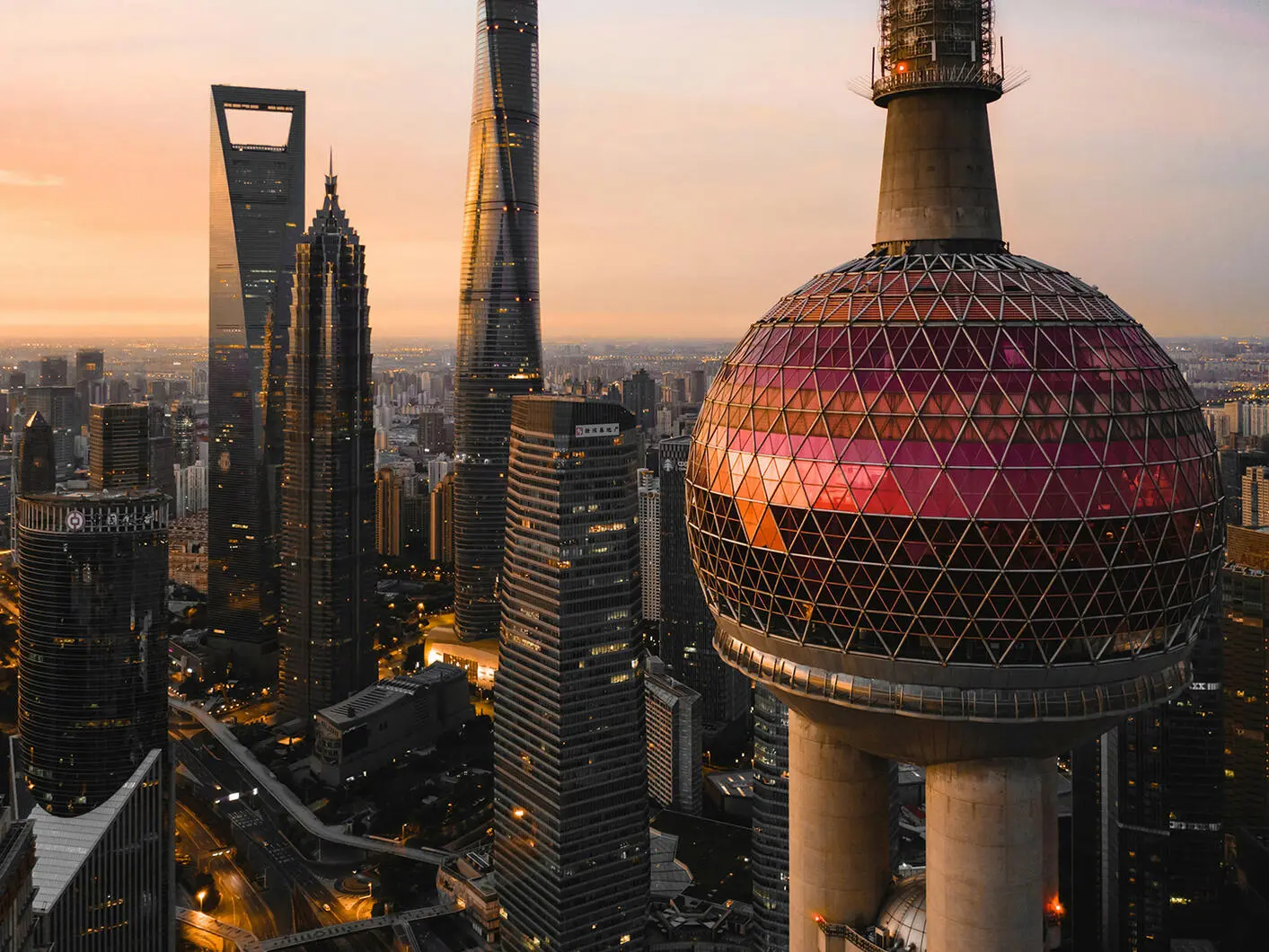
Oriental Pearl Tower, Ph. Yifan Cong
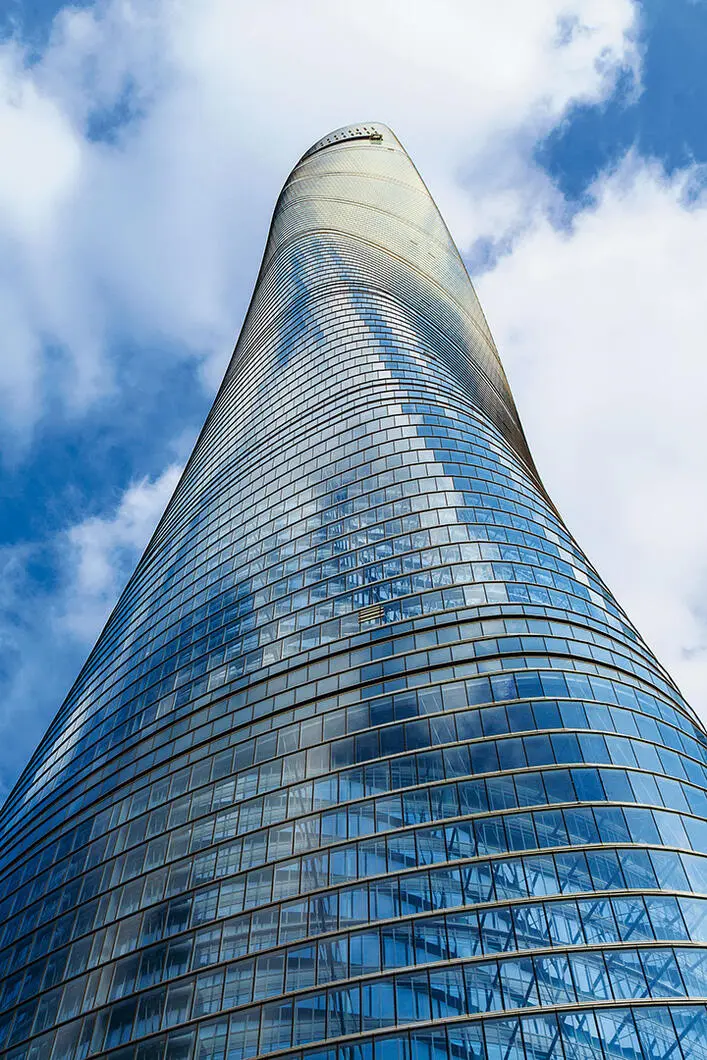
Shanghai Tower
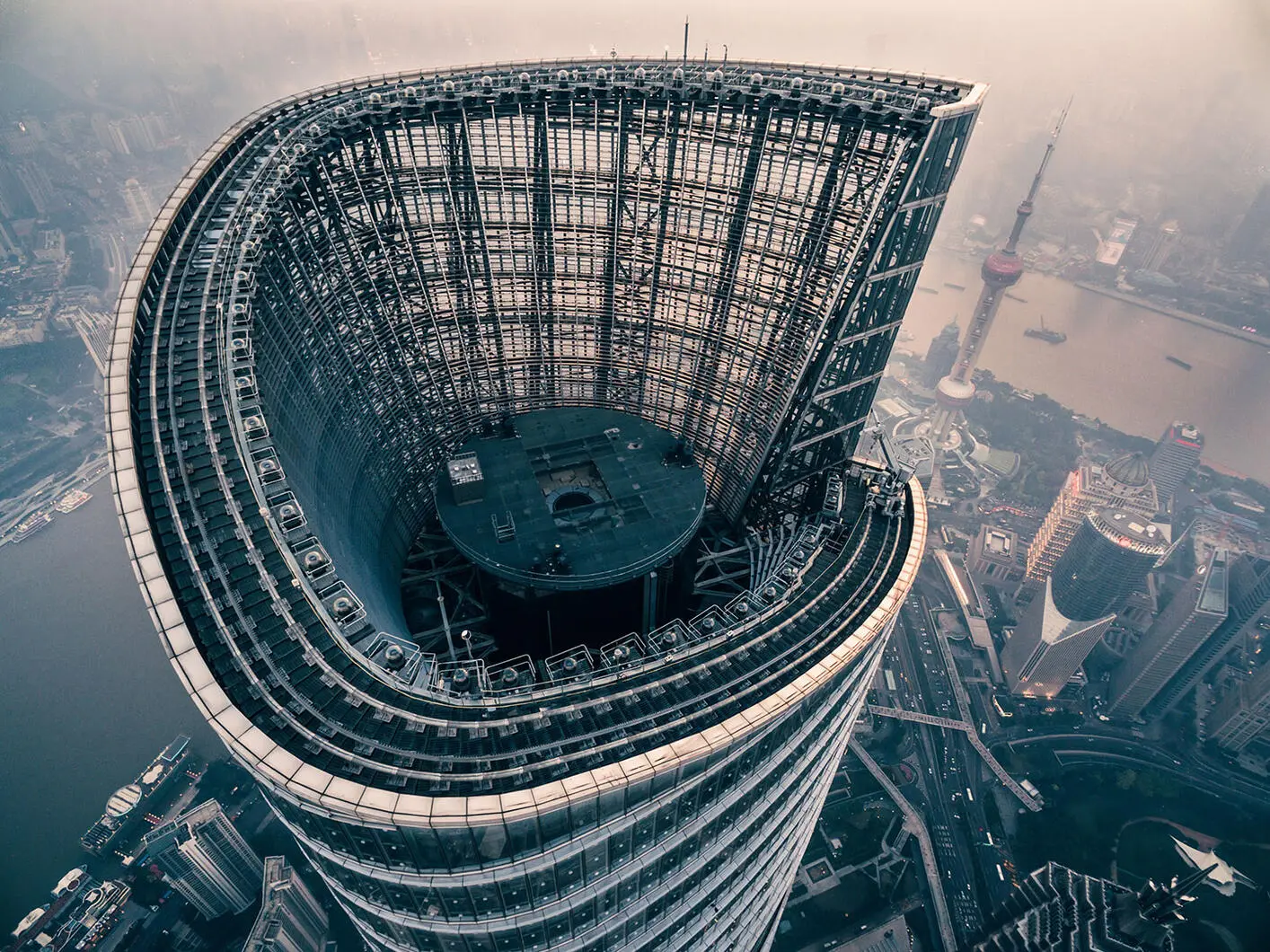
Shanghai Tower – Derryck’s detail
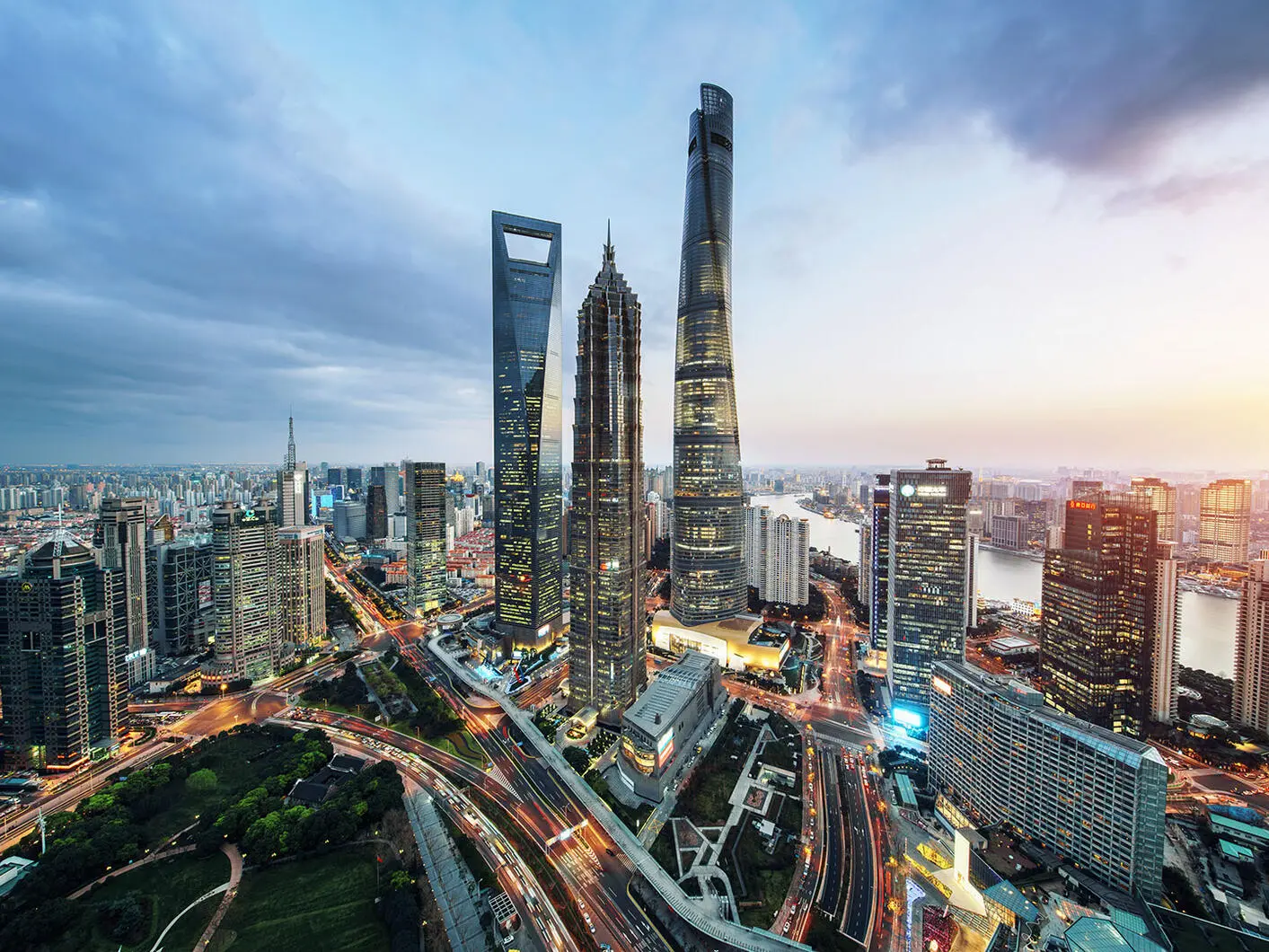
Skyline Shanghai tower
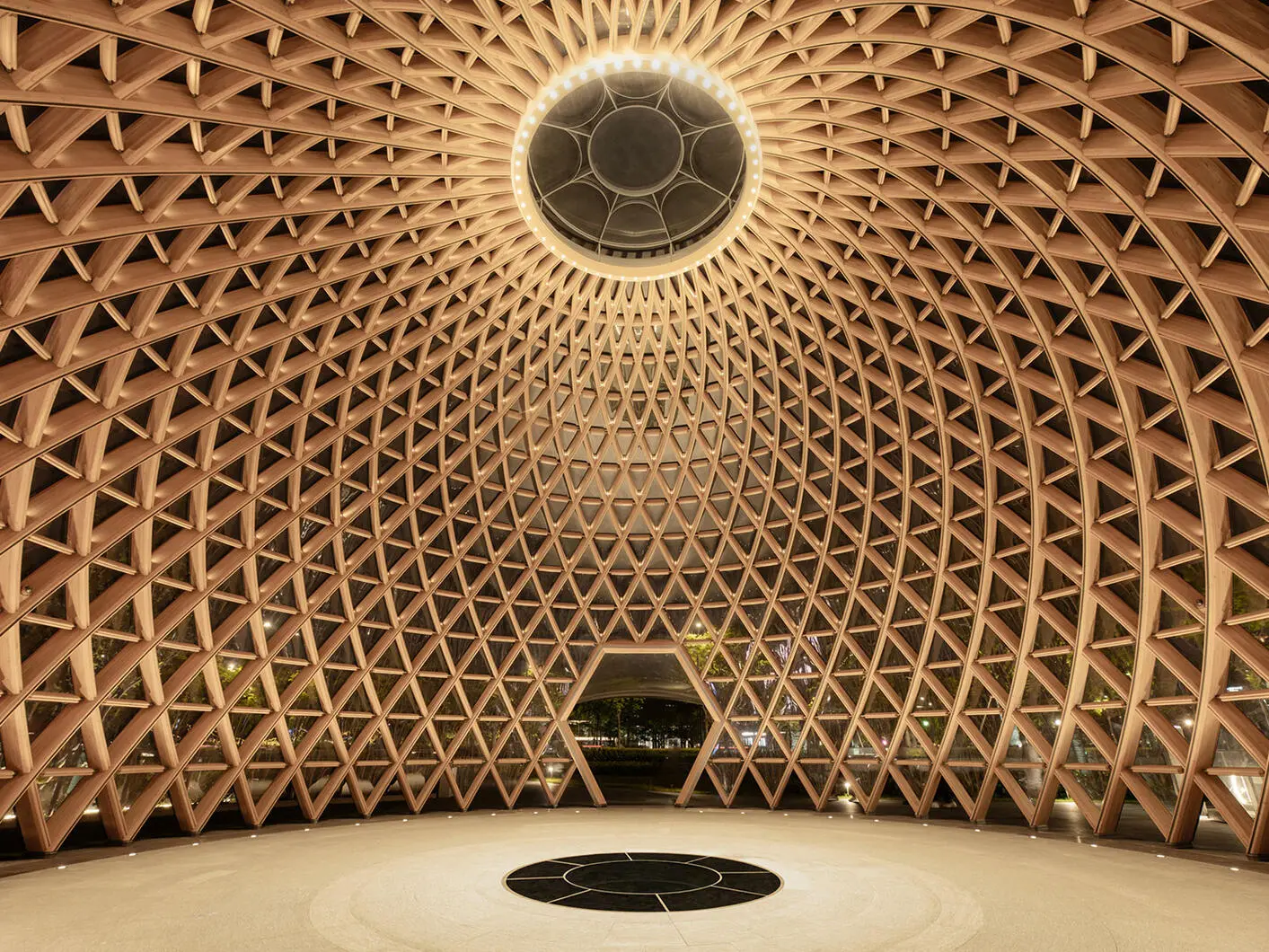
Seed Pavilion (West Bund), Shanghai
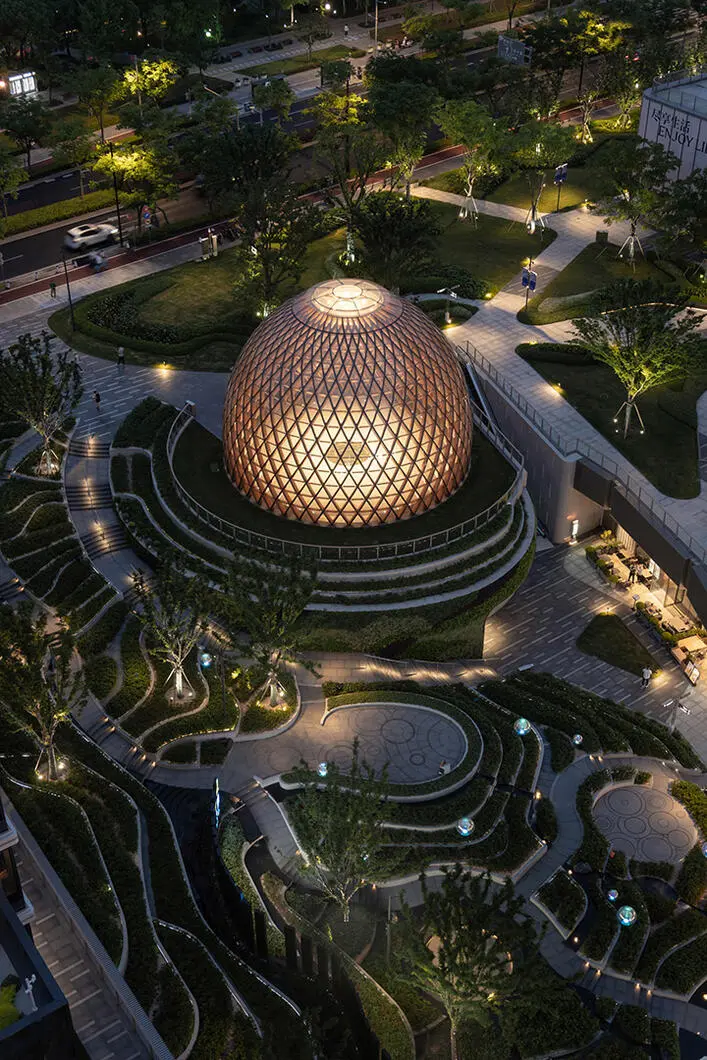
Seed Pavilion (West Bund), Shanghai
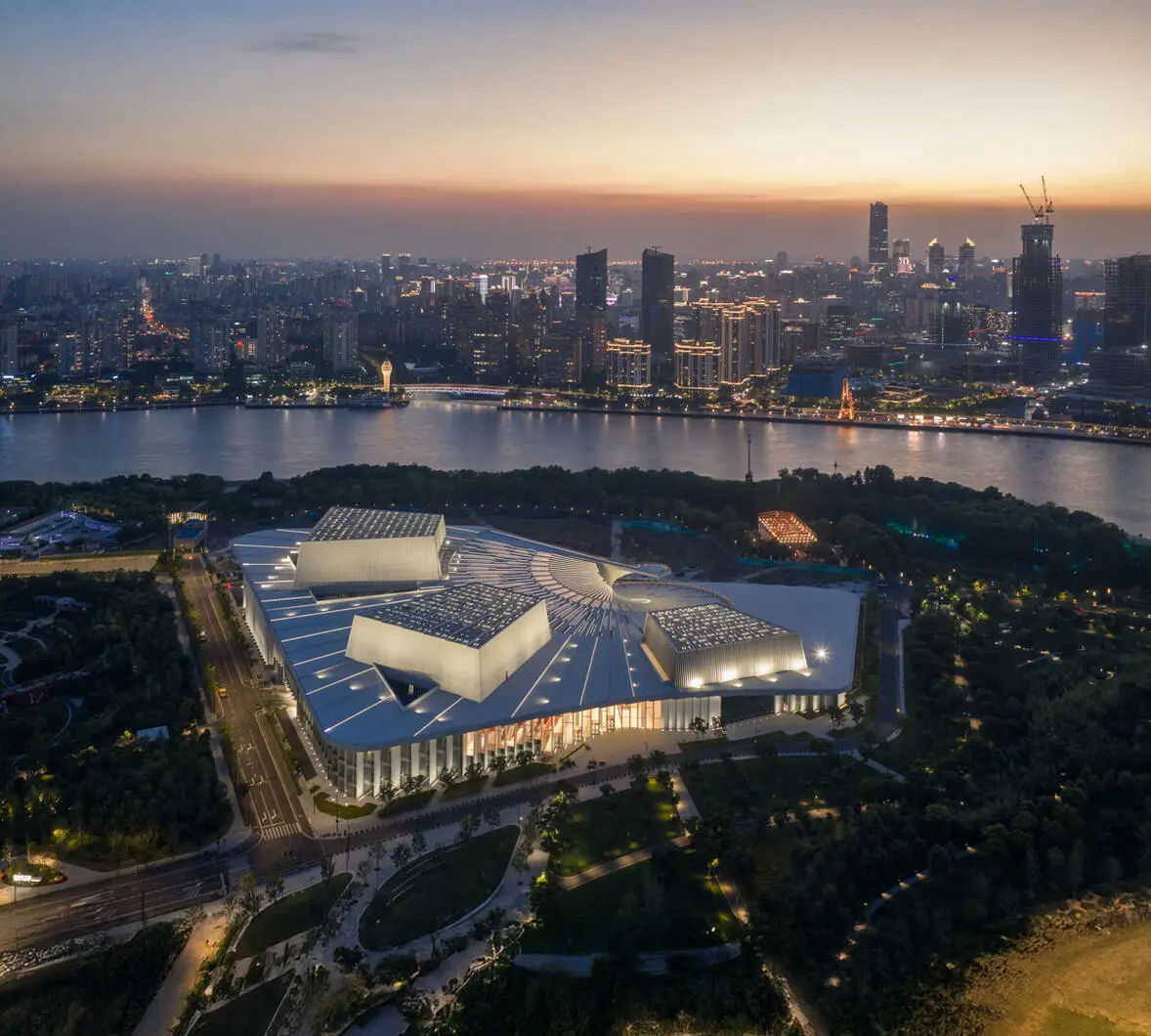
Shanghai Grand Opera House, Snøhetta
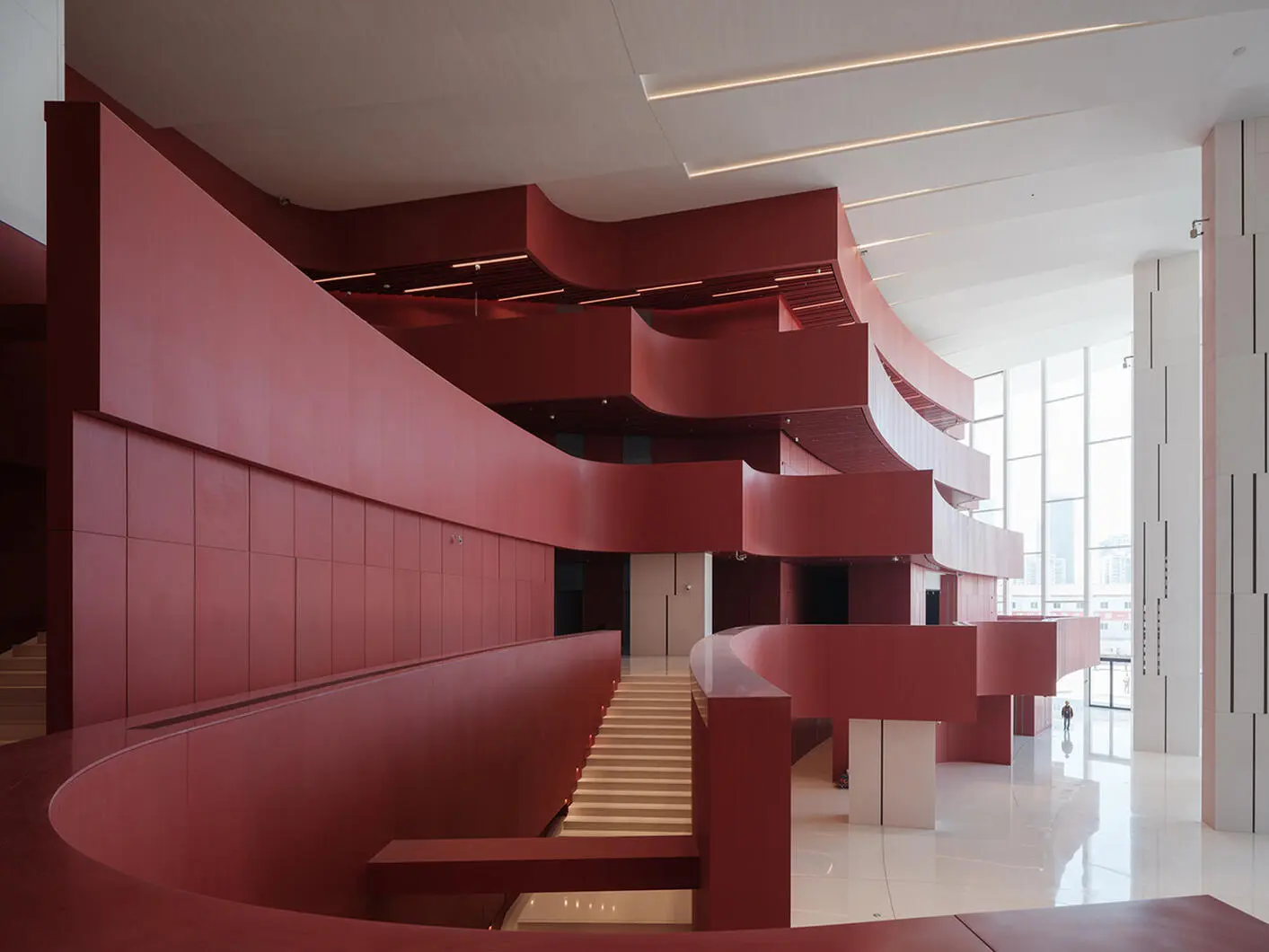
Interno, Shanghai Grand Opera House, Snøhetta
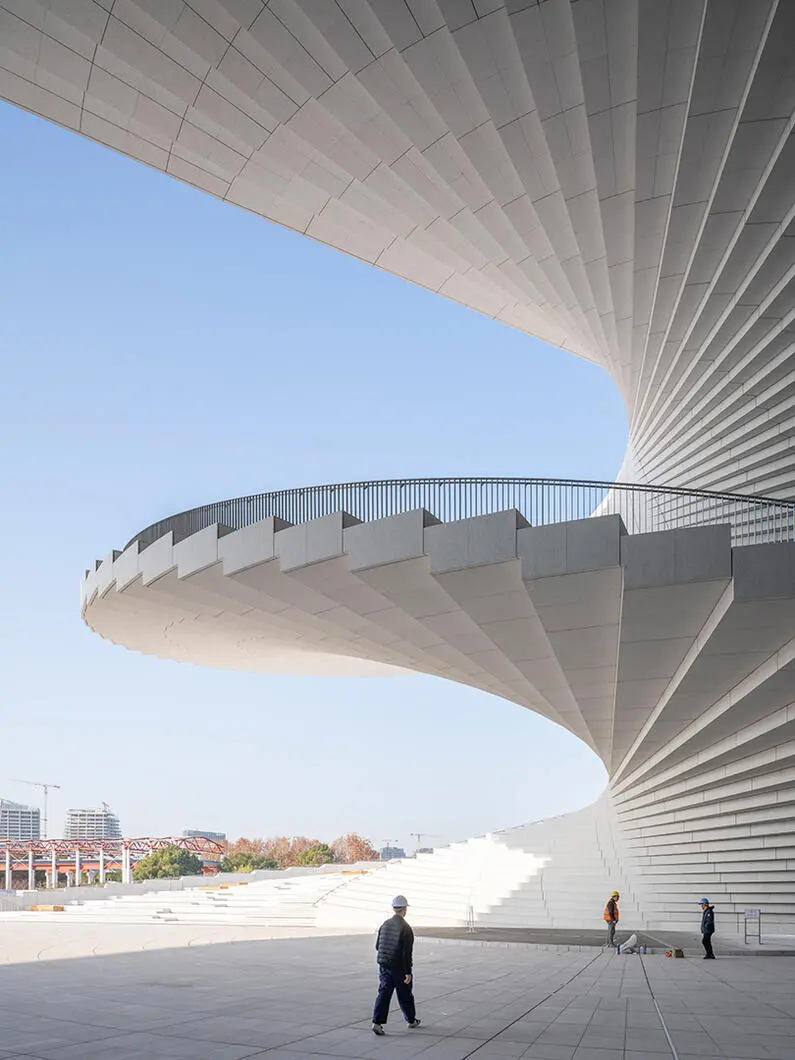
Shanghai Grand Opera House Snøhetta


21 October 2026
Share




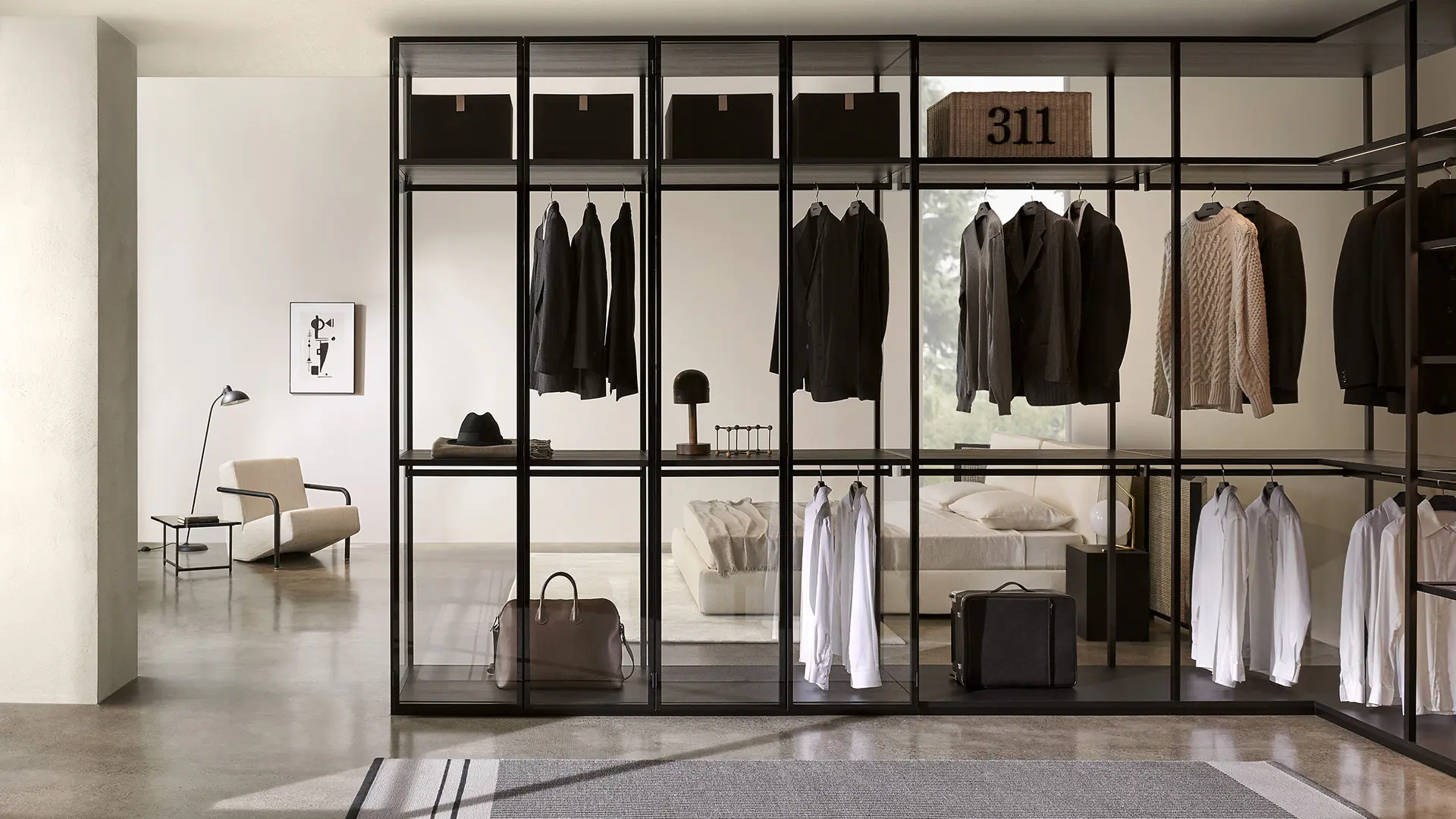
18 bedroom furnishing ideas
Bedrooms are the places where we are reborn each day, which is why they are deserving of particular attention. Our bodies are extraordinary machines, capable of regenerating themselves whilst we sleep, and our daily wellbeing depends, at least in part, on the quality of that sleep.