


 Salone Selection

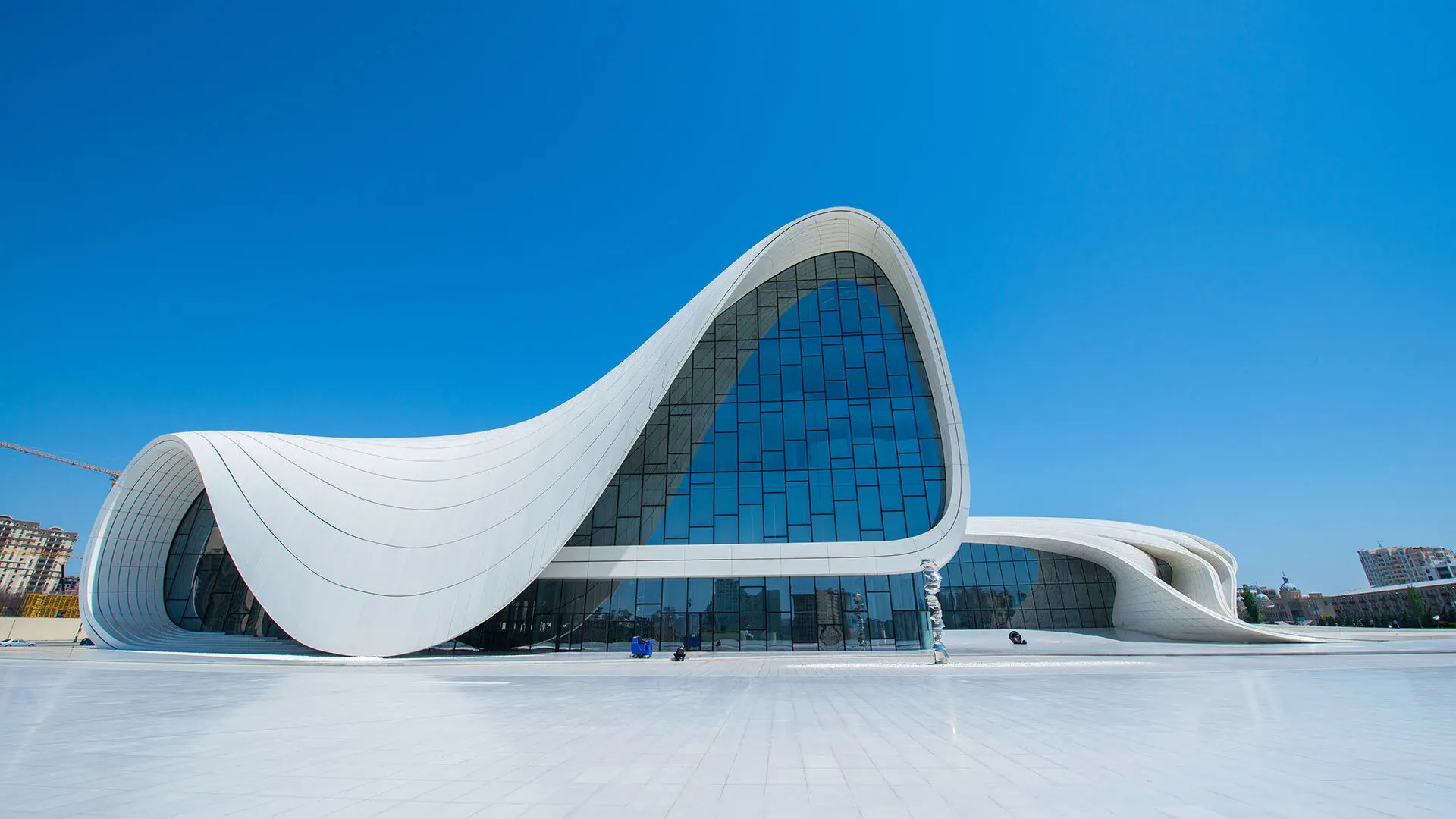
From Luigi Moretti at the 1960 Triennale to Patrik Schumacher’s manifesto and the works of Zaha Hadid: a history of architecture that entrusts form to algorithms, and which seeks to evolve from a method into a style
Contract in museums: 5 projects to explore
Text by
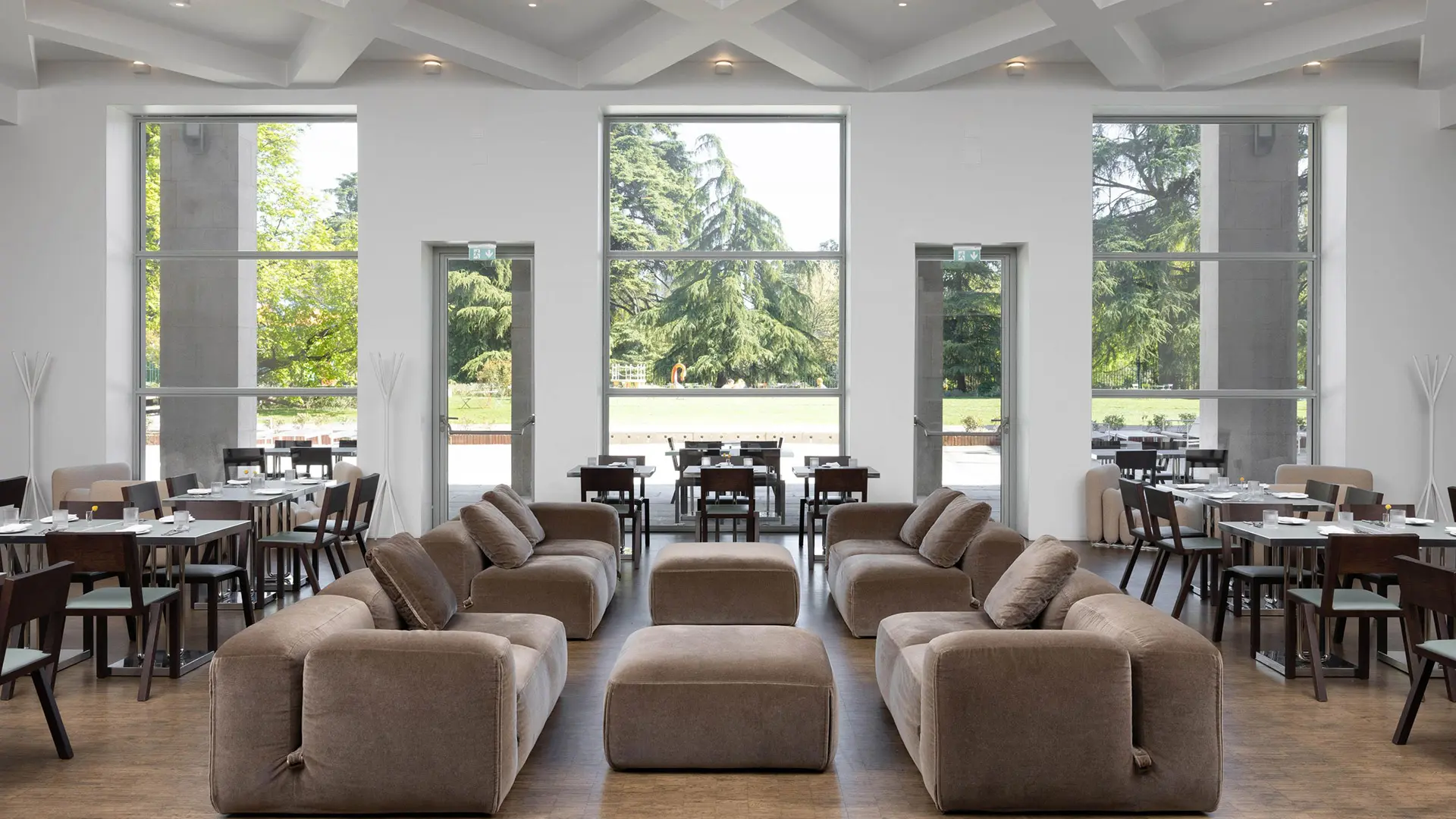
Triennale Milano, Tacchini Italia Forniture - Ph. Gianluca Di Ioia
A museum is not merely a container of artworks: it is a social space to linger in and explore. Hence the furnishings and lighting are never details
A museum is not merely a container of artworks: it is a social space to linger in and explore. Hence the furnishings and lighting are never details. In the communal areas of cultural venues, comfort and aesthetic rigor need to meet strict safety standards; the furnishings have to withstand wear and tear, be washable and sanitizable, easy to move, and make the interiors flexible. In the case of lighting, the issue is more complex: temperatures, beams and intensity need be calibrated to the fragility of the works and the visual comfort of visitors, not to mention the presence of luminaires in the space. The balance between scenic design and functionality is delicate, and a permanent system is a great responsibility. Contract for museums arises from the space, not from the catalogue, and when it works it is almost unnoticeable. Together, furniture and light create safe, welcoming places for everyone. Five projects, from the Museo Egizio in Turin to the Peggy Guggenheim Collection in Venice, show how.
Read also: Salone Contract 2027: the Masterplan by Rem Koolhaas and David Gianotten (OMA)
Museo Egizio, Turin, Artemide
To refurbish 500 square meters between the ground floor and the basement level, with a view to the bicentenary celebrated in autumn 2024, the Museo Egizio in Turin chose Artemide. The spaces are lit almost entirely with the A.24 magnetic track and the Turn Around system, both designed by Carlotta de Bevilacqua. The display cases are lit by the Vector 20 and 30 modules, the smallest in the Artemide catalogue: they shed light on the artifacts without affecting them by their presence. An example of museum lighting that works by subtraction, with the focus on the exhibits.
Bourse de Commerce, Paris, Flos
In 2021, the Bourse de Commerce in Paris, the former Stock Exchange renovated by Tadao Ando to house the Pinault Collection, was lit with installations by Ronan and Erwan Bouroullec, created by Flos Bespoke. The project concerned the entrance, monumental staircase and restaurant: Horizontal Light, with five six-meter-long glass and aluminum tubes, floats in the entryway, while Vertical Light also appears in the restaurant. The designers specified that they should not light the exhibition rooms but the transitional areas. The result is a delicate dialogue between historic architecture and contemporary design.
Triennale Milano, Milan, Tacchini Italia Forniture
At Triennale Milano, Tacchini Italia Forniture is the furnishing partner for Cucina Triennale, the restaurant-cafeteria managed by T’a Milano on the Park level, overlooking the 7,300-square-meter garden in Parco Sempione. In the entrance space, leading to the exhibition galleries, it has placed a selection of furnishings: the Le Mura XL seating system by Mario Bellini, the Additional System armchair by Joe Colombo, the Mano Light floor lamp and the Altar coffee table, all upholstered in Dedar fabrics. Reissues of design masters and contemporary pieces thus welcome visitors to a place to be lived, not just visited.
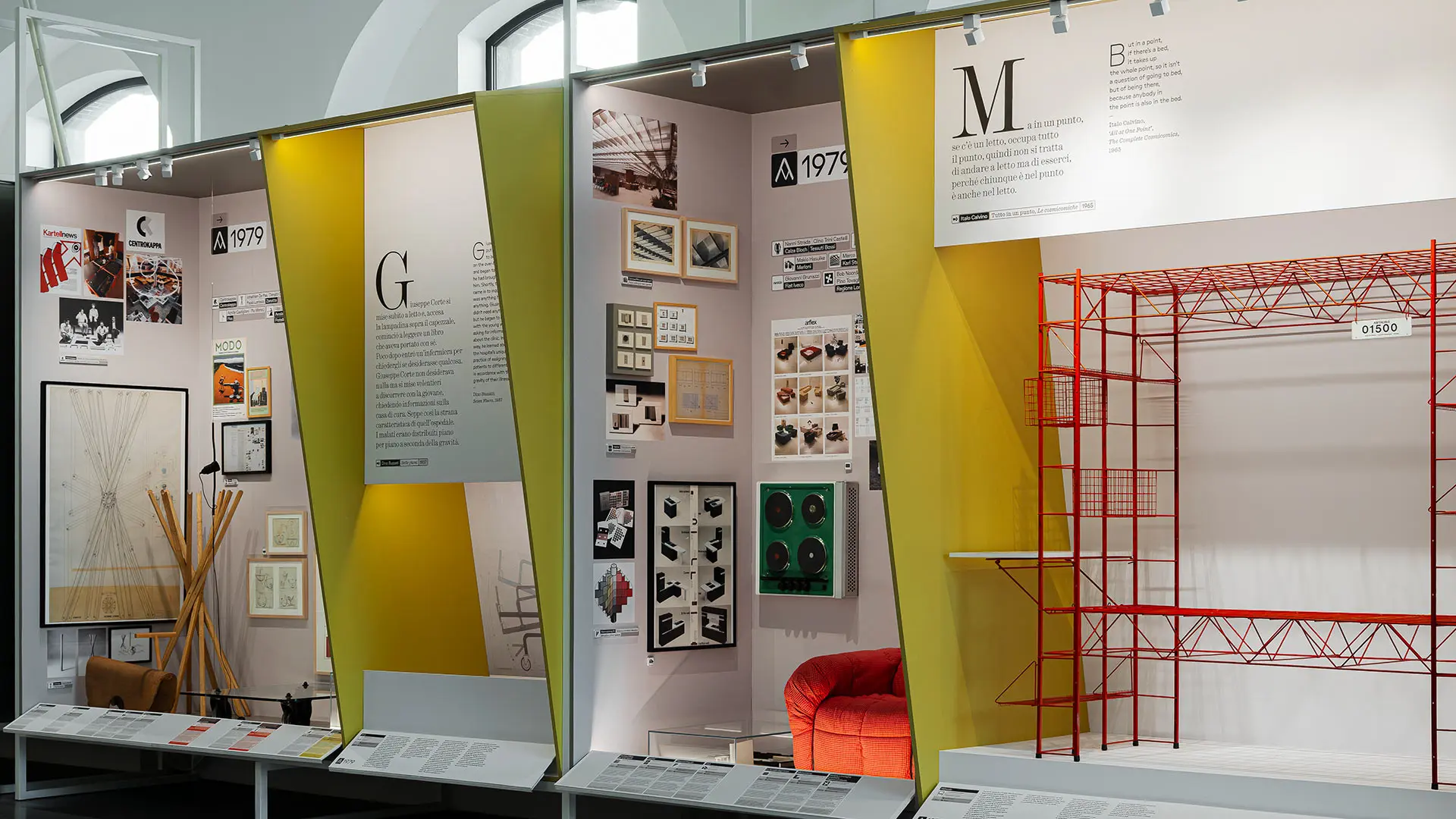
ADI Design Museum, Milan, Pedrali
At the ADI Design Museum in Milan, the permanent home of the Compasso d’Oro Collection, Pedrali contributed to the set-up with Dome chairs, designed by Odo Fioravanti, for events, initiatives and presentations. Made of injection-molded polypropylene with fiberglass, the chairs are light, stackable, easy to clean and maintain. A detail makes the project even more significant: Frida, another Pedrali chair designed by Fioravanti, received the 2011 Compasso d’Oro and is part of the collection. Hence the company furnishes a museum that preserves one of its products.
Arper × Peggy Guggenheim Collection, Venice
In the historic Palazzo Venier dei Leoni, where Peggy Guggenheim lived for thirty years, exhibition space is limited and finding seating room is not easy. For the veranda on the Grand Canal, Arper, a supporter of the museum since 2017 with the Guggenheim Intrapresæ program, chose the Pix and Kiik collections. They had to be comfortable, with a color palette capable of enhancing the installations without constraining them, resistant to temperature changes and the Venetian climate, and easy to move to make the space flexible. The result is a comfortable, quiet breakout space for visitors.
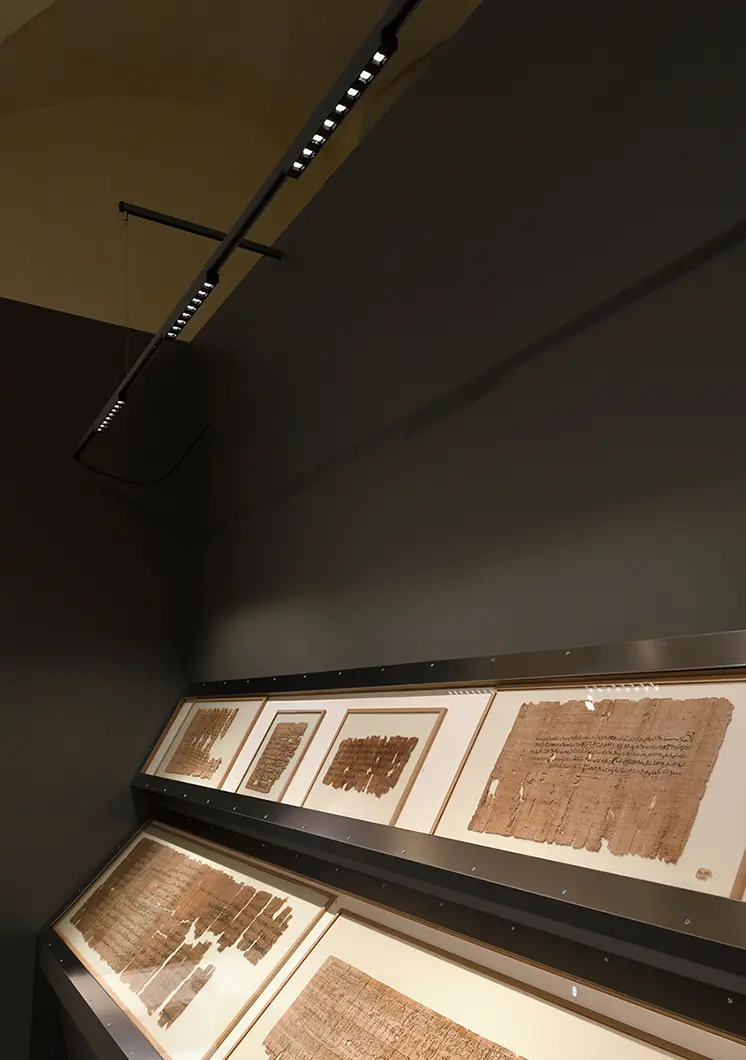
Artemide, Museo Egizio, Turin
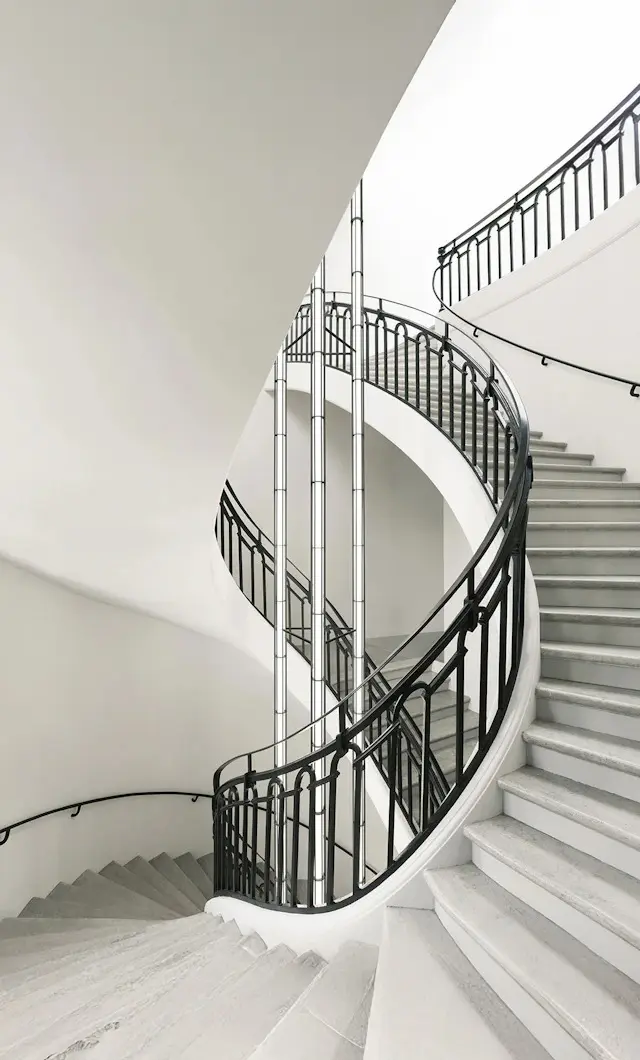
Flos, Bourse de Commerce, Paris
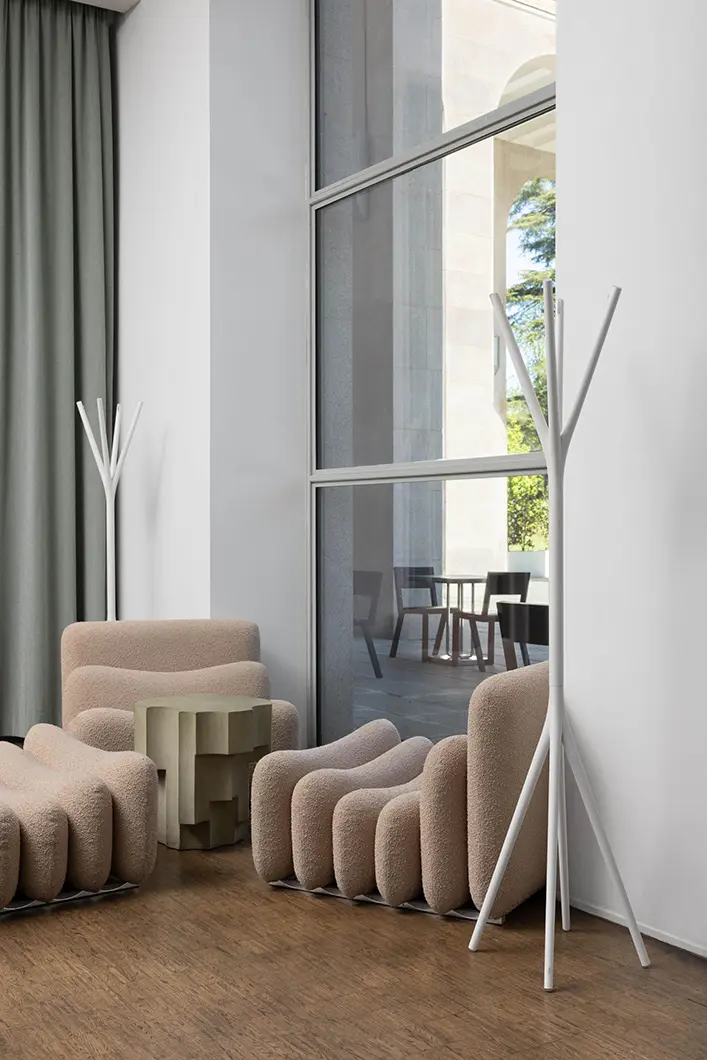
Tacchini, Triennale Milano, Ph. Gianluca Di Ioia
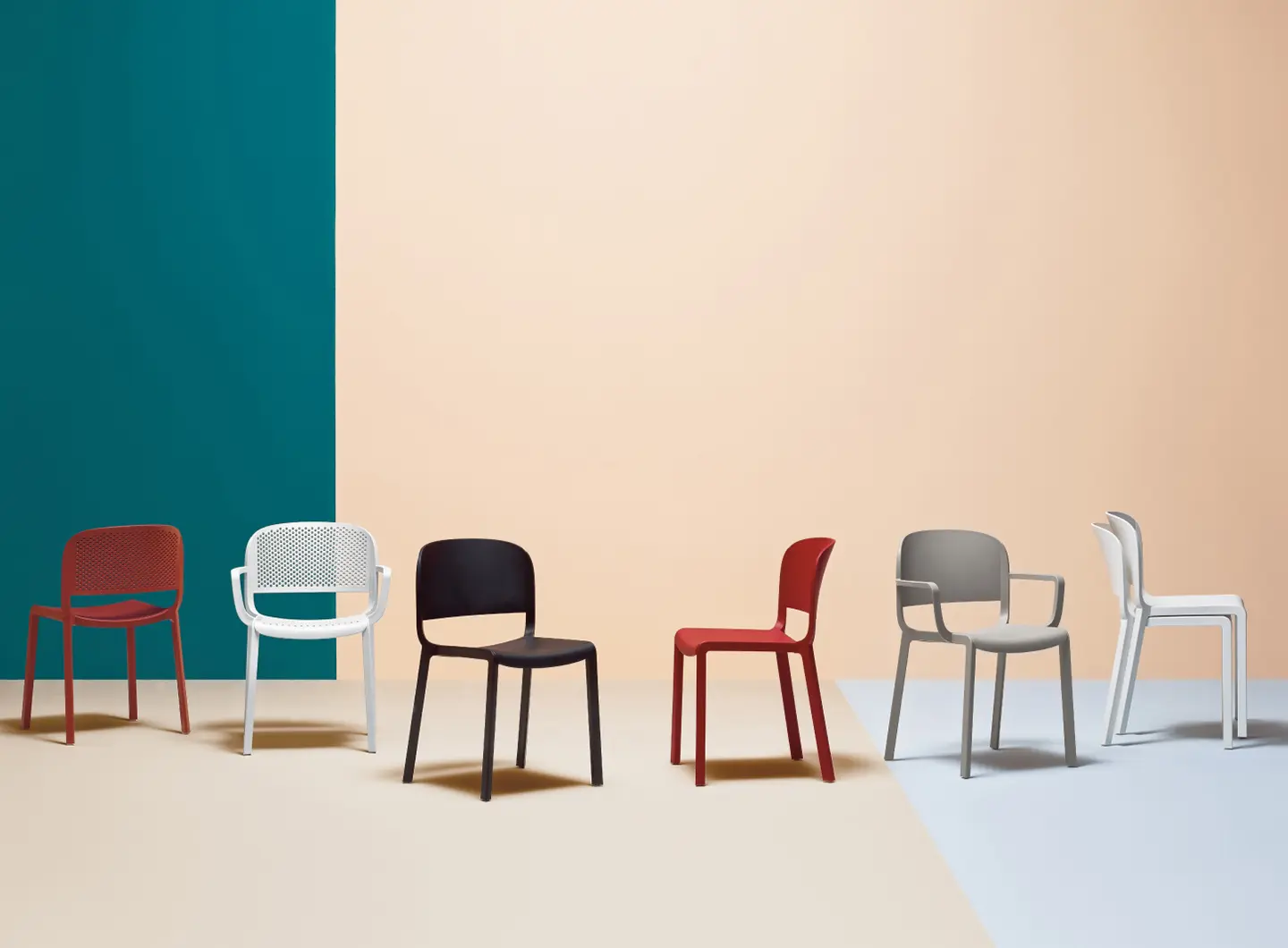
Pedrali, ADI Design Museum, Milan
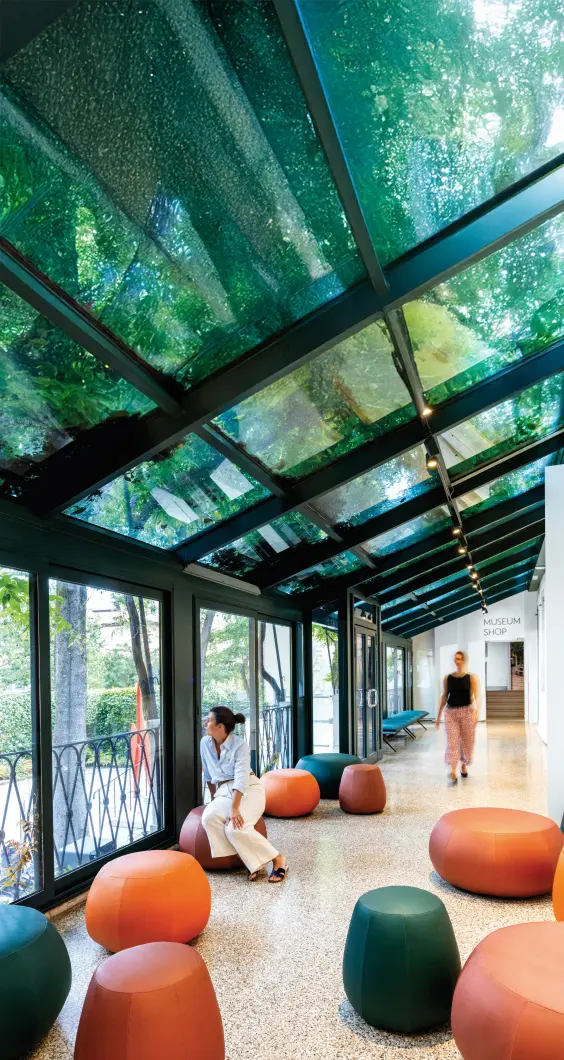
Arper, Peggy Guggenheim Collection, Venice, Ph. Matteo De Fina


28 September 2026
Share




ADI Design Museum: the Compasso d’Oro collection reinterpreted from scratch
Five years since it opened, the museum in Milan presents the first new scientific reordering of its Historical Collection. Curator Maite García Sanchis relates how the way of interpreting over seventy years of design is changing, while Domitilla Dardi explains why the “Anthological” study enables the award-winning objects to dialogue with literature


