Contributor

Filters

Filters Filters
Sort order Order by
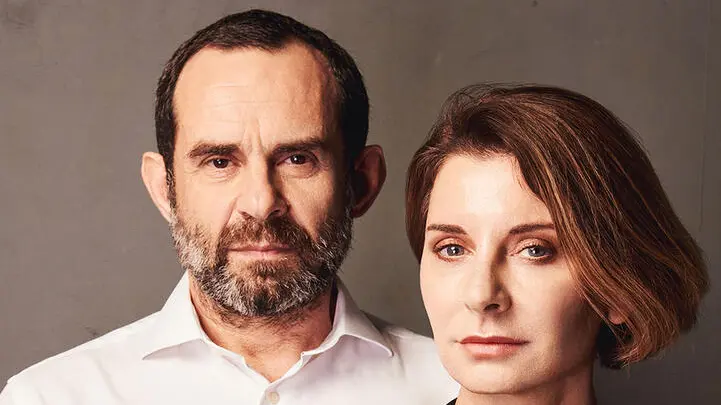
Ludovica Serafini, Roberto Palomba - Studio Palomba Serafini
Ludovica Serafini + Roberto Palomba founded Palomba Serafini Studio in 1994.  The hallmark of the studio merges from the founders' ability to combine a contemporary vision of society and people's needs, with a broad knowledge of the historical and cultural roots of architecture and design, producing results that blend the past with the future.   This unique and personal approach makes Palomba Serafini's reality particularly sensitive to questions related to the function and the need to create long-lasting products and architectures.  In its 30 years of activity, the studio has received numerous international awards such as Compasso D'Oro, Elle Decoration International Design Award, the Ahead Award, Red Dot, Design Plus, Good Design Award, German Design Award, Ahead Award. 
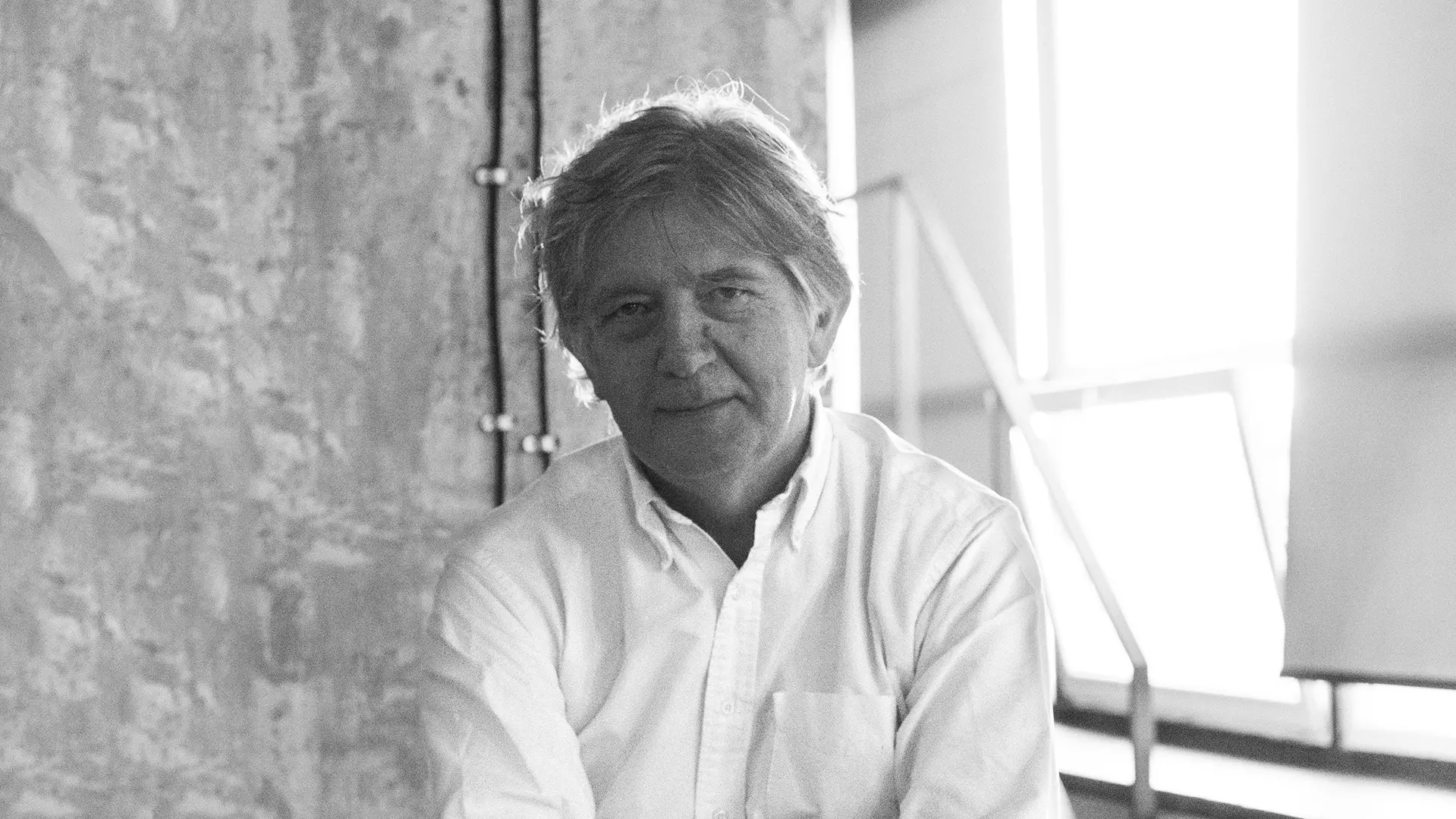
Deyan Sudjic
Deyan Sudjic studied architecture in Edinburgh, edited Domus in Milan, was the director of the Venice Architecture Biennale in 2002 and as director of the Design Museum in London between 2006 and 2020, he led the museum’s move from a dockland warehouse to its new home in Kensington.  He was the founding editor of Blueprint Magazine, and director of the Glasgow City of Architecture and Design festival.  He is now director emeritus of the Design Museum, and Professor of Architecture and Design at Lancaster University. As a journalist he writes for the Financial Times and the Guardian, and is editor of the newly established magazine, Anima. He is a critic, a curator and a writer on subjects ranging from architecture and urbanism, to design and fashion. His latest book, The World of Analogue, was published in March 2024. His books have been published in 15 languages, and include monographs on Shiro Kuramata, Ron Arad and Rei Kawakubo. He wrote biographies of Norman Foster and Ettore Sottsass. He has curated exhibitions on Stanley Kubrick, John Pawson and Zaha Hadid and many other. He has curated exhibitions at Istanbul Modern, the ICA, London, the Lousiana Museum in Denmark, the Triennale in Milano, The Today Art Museum in Beijing and the Dongdaemun Design Plaza in Seoul. 
Nadja Swarovski
Nadja was the first female member of the Executive Board of Swarovski, which was founded in Austria by her great-great-grandfather Daniel Swarovski in 1895. She led the Branding, Sustainability and Licensing divisions and launched the luxury fashion jewelry and home décor brand Atelier Swarovski. Her career at the family business started in the mid-1990s in New York and London, when she began showcasing Swarovski’s crystal range to the fashion, jewelry, architecture, lighting and home décor industries, encouraging designers to discover crystal’s creative potential. The resulting collaborations and partnerships established her as one of the 21st century’s most significant patrons of design talent. In fashion and jewelry, Nadja launched the Swarovski Collective in 1999 and Runway Rocks in 2003 – initiatives which supported and celebrated established and emerging designers including Hussein Chalayan, GILES, Rodarte, Erdem, Alexander Wang, Marios Schwab, Jason Wu, Mary Katrantzou, Kevin Germanier and Stephen Webster. In design, Nadja launched Swarovski Crystal Palace in 2002, a visionary program that pushed the boundaries of lighting and design through creative collaborations with designers such as Ron Arad, Zaha Hadid, John Pawson, Tom Dixon, Ross Lovegrove, Tokujin Yoshioka, Tord Boontje, Arik Levy, Yves Béhar and Gaetano Pesce. In 2007 Nadja launched Atelier Swarovski, a jewelry, accessories and home décor line celebrating creativity, innovation and craftsmanship. Collaborators included Karl Lagerfeld, Jean Paul Gaultier, Christopher Kane and Viktor & Rolf. Committed to driving positive change within the industry, she launched Atelier Swarovski Fine Jewelry in 2017, a collaboration with the actor Penélope Cruz, who designed the collections using Swarovski Created Diamonds, created gemstones and Fairtrade gold. The line embodied what Nadja terms Conscious Luxury – a new way of doing business that puts compassion and sustainability at its heart.  In 2016 Nadja was made a Chevalier de L’Ordre des Arts et des Lettres and in 2019 she received an honorary doctorate from the University of the Arts London. Nadja holds Board-level positions at UCLA School of Theater, Film and Television, the FIT Foundation and the German Fashion Council. She is a Founding Patron of the London School of Architecture, a member of The Nature Conservancy’s European Council for Global Conservation, and a member of the Advisory Board at Maison de Mode and Nest. Based in London, Nadja is Chair of the Swarovski Foundation, a UK charity she established in 2013 focused on supporting creativity, promoting human empowerment and preserving the environment. Its new initiative, Creatives For Our Future, aims to help identify and accelerate the next generation of creative leaders. Devised with the United Nations Office for Partnerships, the program empowers young creatives to design new solutions to global sustainability challenges.  Nadja also heads up the Swarovski Waterschool, which teaches young people about water conservation. Both philanthropic organizations are focused on the delivery of the UN’s Sustainable Development Goals.

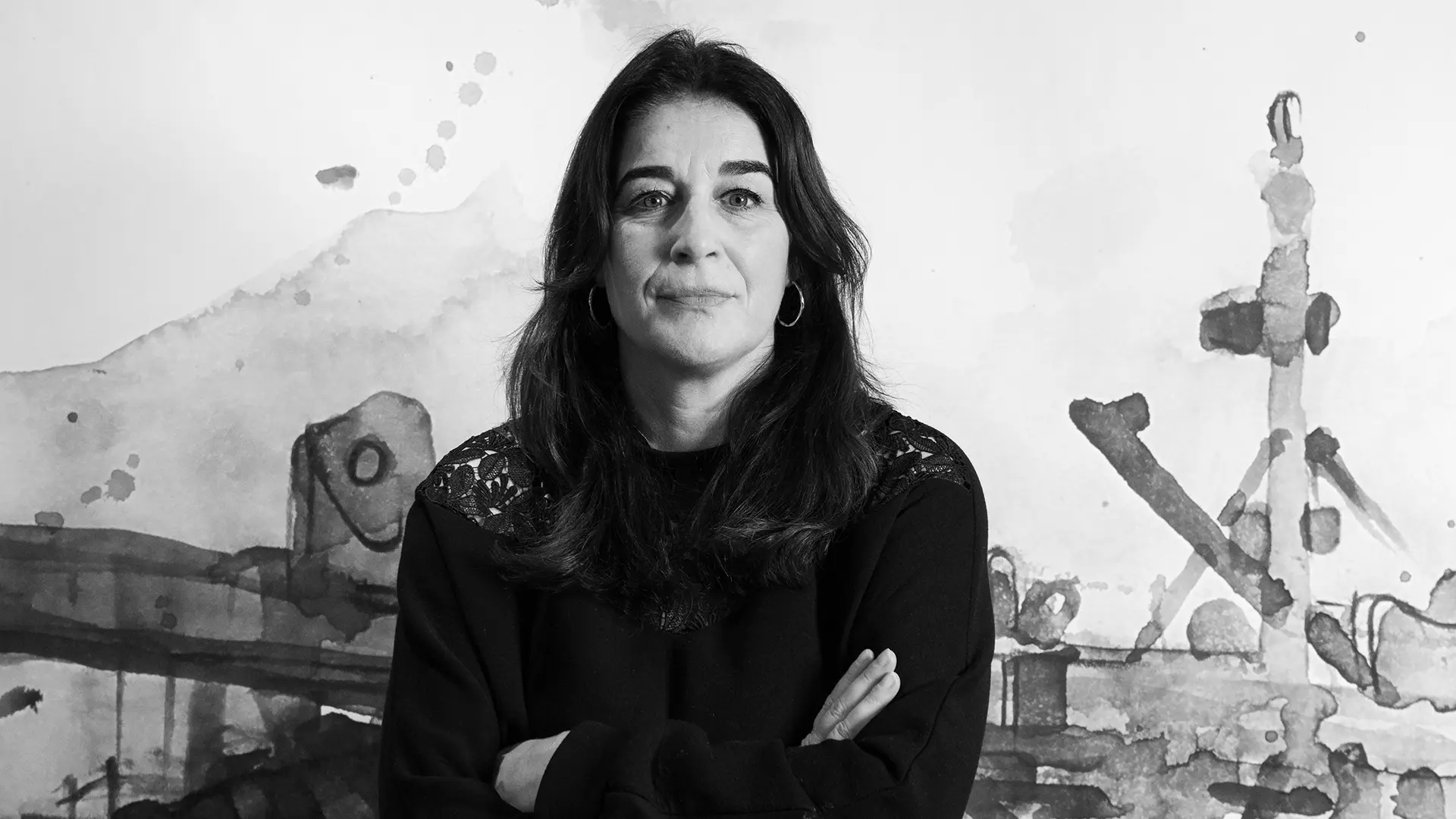
Eli Synnevåg
Director of Acquisition Middle East and Senior Architect at Snøhetta Eli Synnevåg is a Senior Architect and Director of Acquisition at Snøhetta, where she has been part of the team since 2000. She has contributed to a wide range of projects, including the KMD Academy of Fine Art in Bergen and the King Abdulaziz Center for World Culture (Ithra), Qasr Al Hokm Metro station and Royal Diriyah Opera House in Saudi Arabia. Since 2016, Eli has held a leadership role focused on team development, research, and innovation. Appointed Director of Acquisition in 2019, she oversees Snøhetta’s project portfolio in the Middle East and Africa, bringing strategic insight and an understanding of local conditions to guide the firm’s work in the region. Alongside her architectural practice, Eli is active in academia. She has taught and served as a guest critic at AHO, NTNU, and ETSAV, and regularly lectures internationally on Snøhetta’s design philosophy. She also serves as a jury member for architectural competitions.
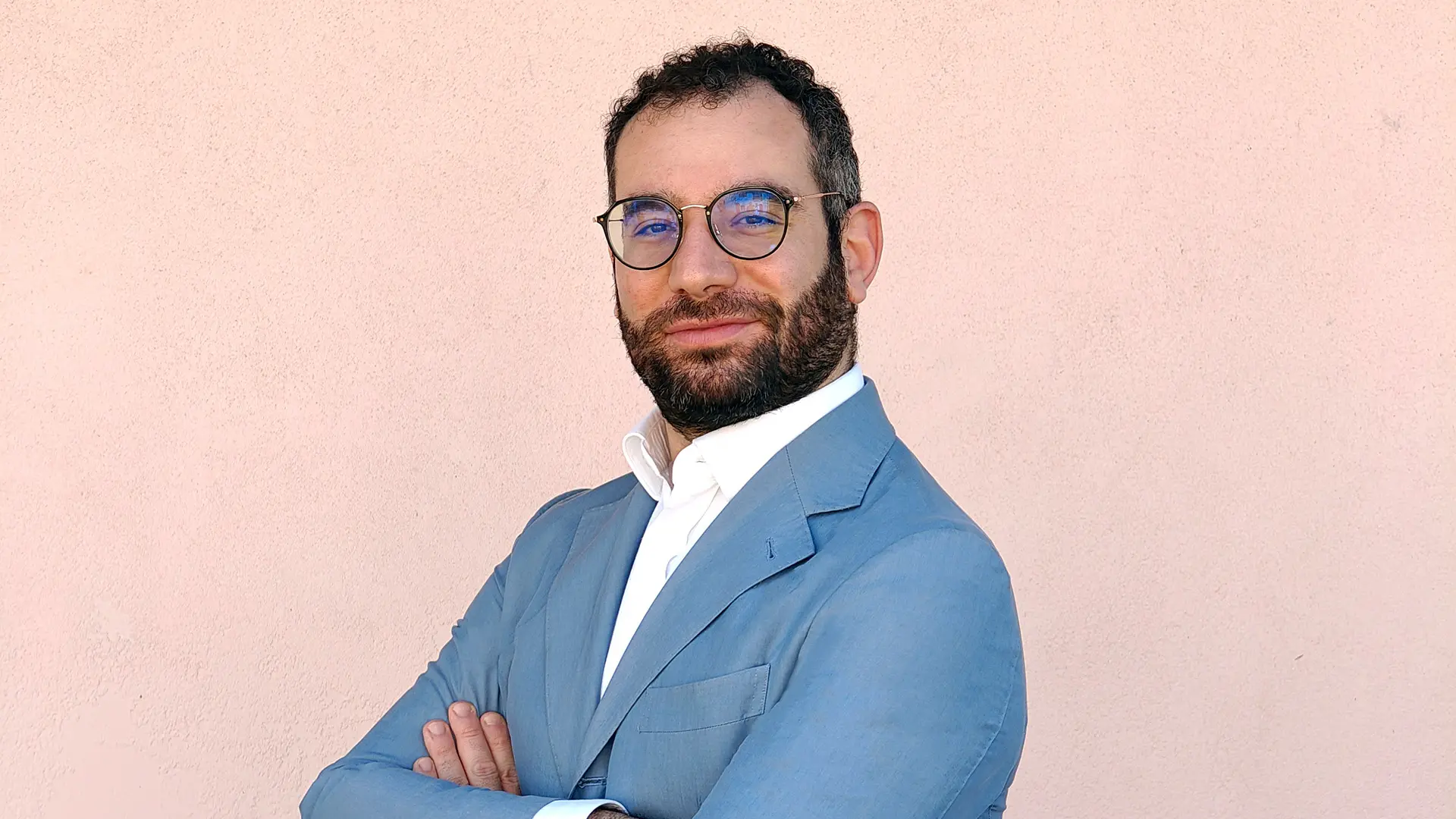
Daniele Tamborini
Adjunct professor of Manufacturing and Sustainable Design, LeNSlab Politecnico di Milano, fondatore di RD-29 Daniele Tamborini is the founder of RD-29, a consulting studio specializing in applying sustainability principles to the manufacturing sector. He is an expert in sustainable design and design for manufacturing, as well as a lecturer. For over ten years, he has worked in the fields of design for manufacturing and ecodesign, with an approach that integrates strategy, product development, environmental assessment, and cost optimization. He is an adjunct professor at Politecnico di Milano where he collaborates with both the Department of Mechanical Engineering and the Department of Design and a lecturer at PoliDesign,. He contributes to the activities of LeNSlab Polimi and the Polimi LCA Network. Throughout his career, he has worked in areas ranging from applied research—as technical manager of the European project Made4Lo focused on metal 3D printing—to industrial consulting, supporting companies in their ecological transition through environmental impact analysis, circular economy strategies, and low-impact product redesign. He has spoken at workshops and corporate training programs, is co-inventor of a patent for a mechanical component featuring organic geometries and has received several awards for innovation and sustainable design. He also contributed as one of the instructors to the free MOOC “Ecodesign: designing products with a low environmental impact”, part of Politecnico di Milano’s Libreria Zero educational series aimed at spreading sustainability knowledge across disciplines. 
Adam D. Tihany
Designer based in New York, the city where he founded his studio in 1978. An early pioneer of the Hospitality industry, the award-winning designer, renown internationally for creating innovative interiors worldwide, including The Beverly Hills Hotel, The Breakers Palm Beach, Belmond Hotel Cipriani in Venice, Four Seasons Dubai DIFC and The Oberoi in New Delhi to mention few. Tihany has also created award-winning restaurants for celebrity chefs such as Thomas Keller, Daniel Boulud, Heston Blumenthal and Jean-Georges Vongerichten.  Tihany has become a leading name in the cruise industry, creating innovative design concepts for Holland America Line and ultra-luxury Seabourn vessels Seabourn Encore and Seabourn Ovation. He envisioned the first ever luxury expedition ship, Seabourn Venture launched in 2022 and her sister ship, Seabourn Pursuit in fall 2023. He currently serves as Creative Director for Costa Cruises as well Cunard, where he leads the design vision for the British luxury line’s upcoming new ship, Queen Anne this Spring 2024. TihanyProductDesign’ bespoke creations often incorporate custom products and furniture, which has resulted in collaborations with notable companies such as Christofle, Bernardaud, Kartell, Roda, FLOS and Poltrona Frau.  
Étienne Tricaud
Architect, Urban planner and EngineerEtienne Tricaud, architect, urban planner and engineer, began his activity as a structural engineer in 1985 in Arup Group (London), under the direction of Peter Rice. In 1986, he joined the Agence des Gares (architecture department of French Railways), led by Jean-Marie Duthilleul. In 1997 they founded AREP (Architecture & Engineering firm, 1000 employees), of which Etienne Tricaud became president until 2018. The studio has designed numerous projects around the world, including in particular: train stations (Avignon, Strasbourg, Turin, Shanghai-Sud, Casa-Port, Dubai World Expo 2020), museums, towers in Doha, Beijing and Ho-Chi-Minh, sports centers, office, retail and hotel projects, as well as urban studies in Europe, Asia, and Middle-East. Today, with his new structure, Etienne Tricaud develops architecture projects and urban planning assignments. The main project he is now involved in the region is the development of AlUla region in KSA, part of Vision 2030 program (as adviser for AFALULA and the Royal Commission for AlUla).  
Marjan van Aubel
Award-winning inventor and solar designer Marjan van Aubel (1985) focuses on sustainability, design and technology. She was ambassador of the Dutch Design Week 2022 and designed the roof of the Dutch pavilion at the World Expo 2000. Another award-winning design is Sunne, a self-powered solar light that captures, stores and produces light indoors. By day, it harvests energy from the sun while it hangs by your window; by night, it brings sunlight into your home. Her book Solar futures was published in 2022, it gives a look at the past, present and future of solar energy. Marjan wants to democratize solar power by making it more accessible and attractive to everyone; through her designs, solar energy is integrated into everyday life. Marjan strives to redefine our current relationship with solar energy. She gives objects a dual function by, for example, working with extendable materials or by integrating solar panels that mimic the process of photosynthesis in plants (power plant); for example, the Current table is not only a table but also generates electricity. In collaboration with scientists, engineers and institutions such as Swarovski and ECN, the Dutch Energy Centre, van Aubel works to promote extreme energy efficiency through intelligent design. Marjan talks about innovation and the role of design in the implementation of sustainable technologies. Photo Credits: Sander Plug
Rogier van der Heide
Rogier van der Heide is an acclaimed lighting designer known for merging the science of light with its emotional and sensory impact. His explorative, artisanal approach emphasizes discovery and rigorous testing through physical models and mockups, crafting lighting environments that are both functional and deeply immersive. Working at the intersection of materials and light, Rogier has pioneered innovations such as luminous glass facades and textile-based designs for celebrities like the Black Eyed Peas and Lady Gaga. He is also celebrated for the iconic luminous ceilings in Apple Stores worldwide. Beyond architectural lighting, Rogier has led industrial design teams at Philips and Sonova, bridging advanced technology with user-centered design. As a passionate educator, Rogier has lectured at Yale, ETH Zürich, and TU Delft, inspiring new ways of thinking about light. Rooted in discovery, Rogier’s work redefines how light shapes spaces and human experiences. Ph. Erik Hijweege